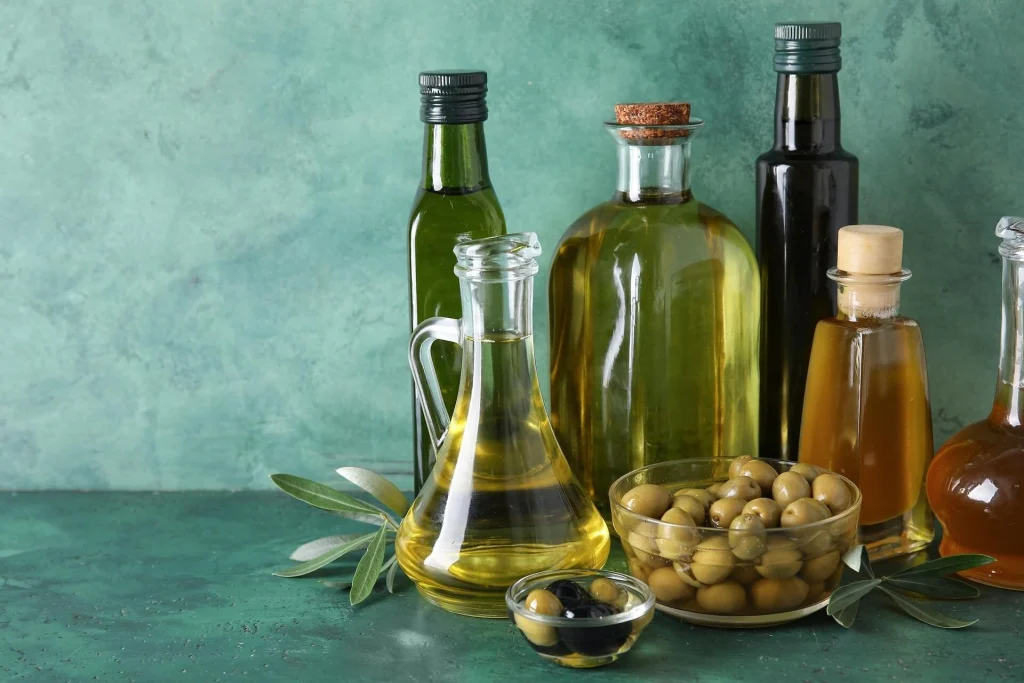
There is a quiet revolution happening in British kitchens. After decades of reaching for vegetable oil, sunflower oil, and butter as default cooking fats, a growing number of UK home cooks are making the switch to extra virgin olive oil — and discovering that the difference is far more significant than they expected.
This is not simply a matter of taste, though the flavour improvement is immediate and substantial. It is also a question of nutrition, provenance, and the fundamental quality of the food we eat every day. This article explains why extra virgin olive oil deserves a permanent place at the centre of every UK kitchen, what separates genuinely good EVOO from the mediocre products that fill most supermarket shelves, and how to make sure you are actually buying what the label claims.
Content
What the Label “Extra Virgin” Should Mean
Extra virgin olive oil is the highest quality grade of olive oil. To qualify, it must be produced exclusively by mechanical means — no heat treatment, no chemical solvents — and must meet strict chemical and sensory standards. The acidity level must be below 0.8%, and the oil must pass a panel tasting to confirm the absence of defects and the presence of positive flavour characteristics.
In theory, this should make extra virgin olive oil easy to identify and trust. In practice, the label has been significantly weakened by inconsistent enforcement across global supply chains. Numerous independent studies have found that a substantial proportion of oils sold as extra virgin in UK and European supermarkets fail to meet the standard when independently tested.
For UK shoppers, this creates a real challenge: how do you find genuine extra virgin olive oil when the label alone cannot be trusted?
The Answer: Certification, Origin, and Transparency
The most reliable indicator of genuine quality is DOP certification — Denominazione di Origine Protetta, or Protected Designation of Origin. This European designation requires independent verification of geographic origin, olive variety, production method, and chemical composition. It is the gold standard of food provenance for olive oil and provides a legally binding guarantee of quality that goes far beyond the basic extra virgin claim.
Beyond certification, look for:
A named origin: Not just “Product of Italy” or “Blend of EU and non-EU olive oils” — but a specific region, preferably a named estate or producer. The more specific the origin, the more accountability the producer has accepted.
A harvest date: Extra virgin olive oil degrades over time. A producer confident in their product prints the harvest month and year prominently on the label. An absence of harvest date is a warning sign.
A single olive variety: Single-variety oils — such as Biancolilla from Sicily, or Picual from Andalusia — offer a specific and identifiable flavour profile. Blended oils, even when genuinely extra virgin, tend towards a more neutral character.
The Health Case for Genuine EVOO
The Mediterranean diet — in which extra virgin olive oil is the primary fat source — is one of the most studied dietary patterns in the world, and the research is consistently positive. Regular consumption of high-quality EVOO has been associated with reduced risk of cardiovascular disease, improved cognitive function, lower rates of inflammatory conditions, and better metabolic health.
The bioactive compounds responsible for these effects include oleocanthal, a natural anti-inflammatory agent with a mechanism similar to ibuprofen, and a broad spectrum of polyphenols that act as powerful antioxidants. These compounds are present in highest concentrations in freshly pressed, minimally processed oils from specific olive varieties — and they degrade rapidly with heat, light, and age.
This is why the quality of the oil genuinely matters from a health perspective, not just a culinary one. A supermarket blend of industrially processed oils labelled “extra virgin” may contain a fraction of the polyphenol content of a genuine cold-pressed single-origin EVOO from a certified producer. You are not just buying a different flavour — you are buying a meaningfully different nutritional product.
Sicilian EVOO: Why It Stands Apart
Among the regions producing genuinely exceptional extra virgin olive oil, Sicily has a strong claim to producing some of the finest. The island’s volcanic soils, extreme sunshine, and dramatic temperature variation during harvest season create conditions that concentrate flavour and polyphenol content in ways that are difficult to replicate elsewhere.
The Biancolilla variety, grown in the interior of Sicily in areas such as the Caltanissetta hills, is particularly remarkable. It produces oils of unusual elegance — gentle and complex, with notes of fresh green tomato, almond, and a clean peppery finish that signals genuinely high polyphenol content. It is harvested exclusively in November at peak ripeness and must be cold-pressed within hours of picking.
For anyone looking for the finest extra virgin olive oil UK producers and importers can offer, single-origin Sicilian EVOO from a DOP-certified producer represents the gold standard.
How to Incorporate EVOO Into Your Daily Cooking
The most important thing to understand about premium extra virgin olive oil is that it is not a luxury item to be saved for special occasions. It is an everyday ingredient that will improve the quality of everything you cook.
Use it for frying eggs, sautéing vegetables, roasting potatoes, and making salad dressings. Use it for finishing soups, drizzling over grilled fish, and dipping good bread. The smoke point of a high-quality cold-pressed EVOO — around 190–210°C — makes it perfectly suitable for the majority of everyday cooking tasks.
The difference in flavour between a genuinely exceptional EVOO and a standard supermarket olive oil is not subtle. It is the difference between an ingredient that elevates everything it touches and one that merely performs a function.
Making the Switch
LAVERDE Artisan imports DOP-certified Biancolilla EVOO directly from multi-generation family producers in Caltanissetta, Sicily, and delivers across the UK. Every bottle carries a harvest date, a named origin, and full certification. It is available in 100ml, 250ml, and 500ml formats — making it accessible as an everyday kitchen staple, not just a treat.
The UK’s food culture has never been more receptive to genuine quality. Extra virgin olive oil, done properly, is one of the simplest and most rewarding upgrades any home cook can make.
Jorge is a health blog author who has been writing about nutrition, fitness and healthy living for over 10 years. He also loves to run, hike and bike with her wife.